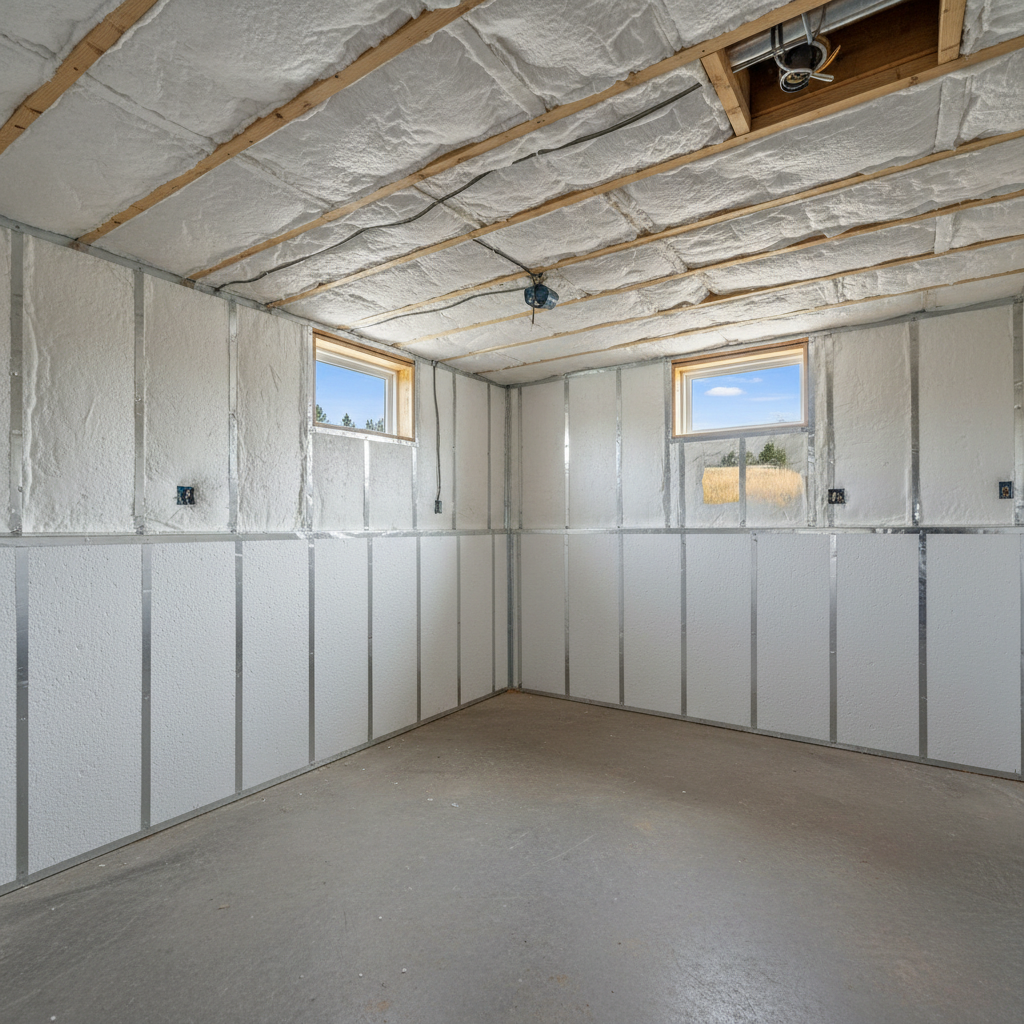
Insulating your basement is a smart move, especially with our Black Hills winters. It's not just about keeping warm; it's about saving money on your heating bills and protecting your home from moisture, too. But I've seen too many homeowners around Spearfish make some pretty common mistakes. These errors usually end up costing them more time, money, and headaches down the road. You definitely don't want to be one of them.
Mistake #1: Not Understanding Moisture Control First
This is probably the biggest one, and it's a real problem. Basements are naturally prone to moisture. We've got clay soils in some parts of Spearfish, especially down by the creek, that can hold water right against your foundation. If you just slap insulation up without dealing with the moisture first, you're asking for trouble. Mold, mildew, rot – it's all a real possibility. Before you even think about insulation, you need to make sure your basement is dry. Are there cracks in the foundation? Is your exterior drainage working well? Are your gutters doing their job and directing water away from the house? Get these things sorted out first, seriously. A dry basement is a healthy basement, and that's the only kind of basement you should be insulating.
Mistake #2: Choosing the Wrong Type of Insulation
Not all insulation is created equal, especially for basements. I've seen folks try to use batt insulation directly against concrete walls without a proper vapor barrier. That's a recipe for disaster, plain and simple. Fiberglass batts will absorb moisture like a sponge, lose their R-value, and become a perfect breeding ground for mold. You need materials that can actually handle the environment down there. Rigid foam boards, like XPS or EPS, are excellent because they don't absorb water and provide a continuous thermal break. Spray foam is another fantastic option; it seals air leaks and creates its own vapor barrier. For rim joists, spray foam is almost always the best bet because it gets into all those tiny nooks and crannies where air leaks happen. Don't just grab whatever's cheapest at the big box store; do your homework or talk to someone who really knows what they're doing.
Mistake #3: Ignoring Air Sealing
Insulation slows down heat transfer, but air sealing stops air movement. You can have the thickest insulation in the world, but if cold air is blasting through cracks and gaps, you're just wasting energy. Basements are notorious for air leaks, especially around the rim joist area where the foundation meets the framing. There are often gaps where wires and pipes run through, or just where the framing isn't perfectly tight. Before any insulation goes in, you absolutely need to seal these up. Caulk, expanding foam, even some specialized tapes can make a huge difference. This step often gets overlooked, but it's critical for comfort and efficiency. You'd be surprised how much heat you lose through those tiny cracks, wouldn't you?
Mistake #4: Skimping on R-Value
It's tempting to go with less insulation to save a few bucks upfront. But in a climate like ours, with those cold snaps that drop well below zero, you'll regret it. The R-value is a measure of thermal resistance – basically, how well the insulation stops heat flow. For basement walls, you want a good R-value to keep that cold concrete from sucking all the warmth out of your home. Check local building codes, but generally, more is better. You're investing in your home's comfort and energy efficiency for years to come, so don't cut corners here. You'll make that money back in energy savings, I promise you.
Mistake #5: DIYing Without the Right Knowledge or Tools
Look, I'm all for a good DIY project. But basement insulation, especially with spray foam or if you're dealing with tricky moisture issues, isn't always a weekend warrior job. If you don't have the right safety gear, the proper tools, or a solid understanding of building science, you could end up doing more harm than good. I've seen people try to apply spray foam themselves and end up with a huge mess, or worse, an improperly installed product that doesn't perform. It's not just about putting stuff on the wall; it's about understanding how your home breathes and how different materials interact. Sometimes, it's just plain smarter to call in the pros, like us at Paradise Insulation Inc. We've got the experience and the equipment to get it done right the first time.
Don't let these common pitfalls derail your basement insulation project. Do your research, address moisture, choose the right materials, seal those leaks, and don't be afraid to ask for help. Your warm, dry, and energy-efficient basement will thank you for it.