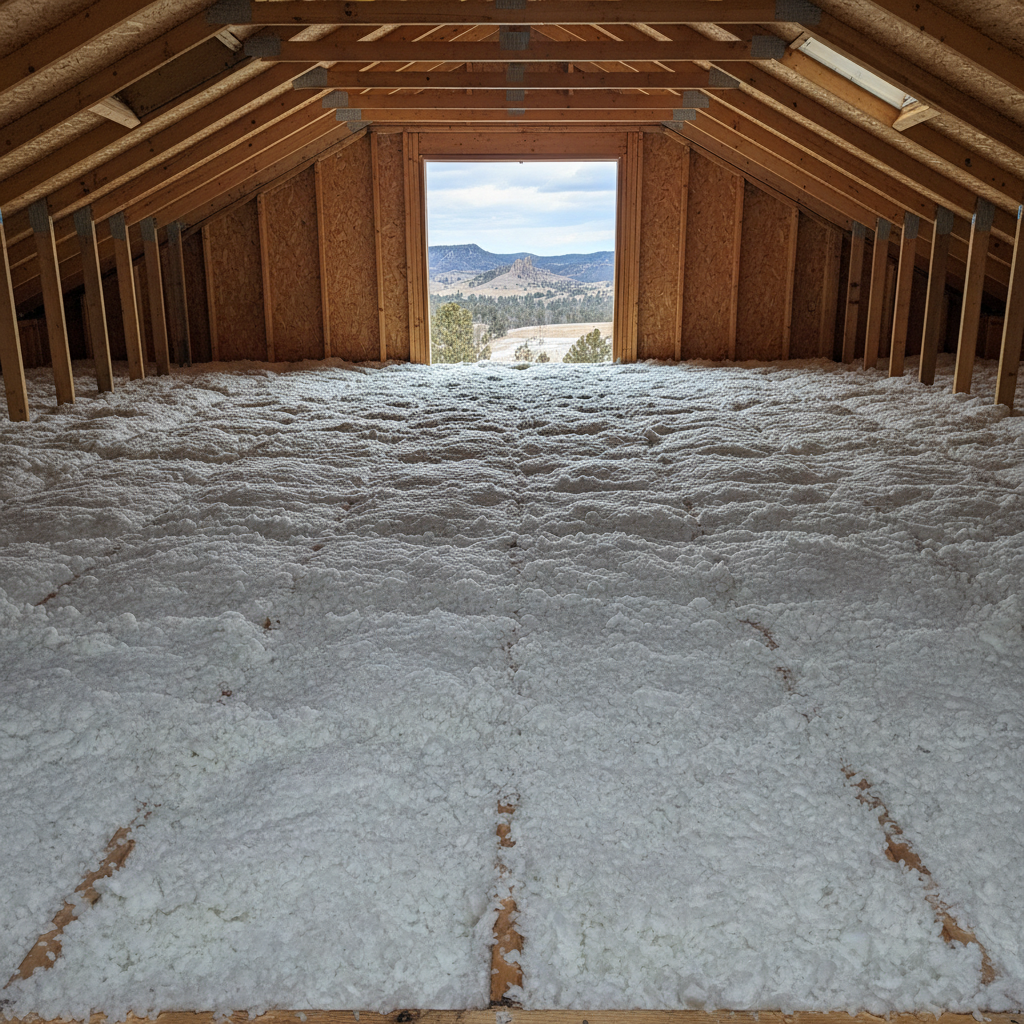
So, you've put money into blown-in insulation, maybe even had us at Paradise Insulation Inc. handle the job. That's a smart move for any home here in Spearfish, especially with our crazy temperature swings – from those freezing January nights to the scorching August afternoons. But here's the thing: insulation isn't totally maintenance-free. A little bit of attention can really make it last longer, keep your energy bills down, and stop bigger problems from popping up later.
Making Your Blown-In Insulation Last Longer
Good news, though: blown-in insulation, whether it's cellulose or fiberglass, is pretty tough stuff. It's not like your roof, which always seems to need checking. Still, there are a few simple things you can do to make sure it lasts as long as it should, which is usually decades.
- Keep it Dry: This is probably the most important one. Moisture is insulation's worst enemy. Leaks from your roof, plumbing, or even condensation in your attic can squish insulation flat, making it useless and creating a perfect spot for mold to grow. If you find any leaks, fix them right away.
- Don't Mess With It: Try not to walk on your insulation or press it down. If you need to go into your attic for something – maybe running a new TV cable or checking a vent – use attic decking or some boards to make a path. Stepping directly on blown-in insulation flattens it, and that lowers its R-value.
- Make Sure There's Good Ventilation: This goes hand-in-hand with keeping things dry. An attic that's well-ventilated helps stop moisture from building up and keeps the attic cooler in summer, which, in turn, helps your insulation work better. Just check that your soffit and ridge vents aren't blocked, especially by snow during the winter.
What "Regular Maintenance" Really Means
Honestly, "regular maintenance" for blown-in insulation isn't some huge chore. You won't be up there every month, thankfully. What I usually tell folks is to do a quick check-up once a year, ideally in the spring or fall when the attic isn't too hot or too cold.
- Look Around: Just take a peek. Do you see any dark spots that might mean a leak? Are there any areas that look noticeably flatter or thinner than the rest?
- Check for Critters: Mice, squirrels, birds – they all love a warm, cozy attic. They can tunnel through insulation, move it around, and leave droppings, which can make it less effective and even cause bad smells. Look for nests, droppings, or any insulation that looks disturbed.
- Ventilation Check: Make sure those attic vents are clear. Sometimes dust, leaves, or even old bird nests can clog them up, you know?
And that's really it for your yearly routine. It's more about preventing problems and catching them early than anything else.
Warning Signs of Trouble
Your house will definitely let you know when something's off. Keep an eye out for these signs:
- Higher Energy Bills: If your heating or cooling costs suddenly jump without you using more energy or utility rates changing, damaged insulation could be the reason.
- Uneven Temperatures: Are some rooms a lot colder in winter or hotter in summer than others? This might point to spots where insulation has settled, shifted, or gotten damaged.
- Drafts: Feeling cold air even when your windows and doors are sealed? It might not just be the windows; air leaking into the attic and through walls can signal insulation problems.
- Pest Activity: Hearing scratching or scurrying in the attic? Seeing droppings? That's a pretty clear sign you've got uninvited guests making themselves at home in your insulation.
- Water Stains or Musty Odors: These are big red flags for moisture issues, which means your insulation is probably compromised and could be growing mold.
Here in Spearfish, we get some pretty strong winds, especially up on the plateau or in neighborhoods like the Highlands. Those winds can sometimes push insulation around if it's not properly air-sealed, so definitely keep an eye out for displaced material near the eaves.
When to Call a Professional
You can handle a lot of the visual checks yourself, but some things are just better left to the pros. Don't hesitate to call us or another reputable contractor if:
- You think you have a major leak or water damage. We can figure out how bad the damage is and suggest the best way forward, which might mean taking out and replacing the damaged sections.
- You've got a serious pest problem. While you can set traps, a professional can help find where they're getting in and make sure all contaminated insulation is safely removed and replaced.
- You notice a lot of settling or thinning of the insulation. This could mean it's time to add more insulation to get your attic up to today's R-value recommendations.
- You're always uncomfortable and your energy bills are high, but you can't figure out why. We've got the right tools and experience to do a thorough energy audit and find those hidden issues.
- You're planning big attic work, like replacing your HVAC system or doing extensive electrical work. It's a good idea to have us inspect and possibly adjust the insulation after other trades have been up there.
Your blown-in insulation is a real workhorse, quietly doing its job year after year. A little proactive care and knowing what to look for will make sure it keeps your Spearfish home comfortable and efficient for a long, long time.